Foreigners Living in Egypt
How is the life in Egypt as foreign resident?
Living in Egypt as an Expat: A Practical Overview of Cities, Lifestyle, and Key Considerations
Egypt has long been perceived primarily as a tourist destination, but in recent decades it has also become home to a growing international community. Cities such as Hurghada, Sharm El Sheikh, Cairo, Alexandria, Luxor, and Aswan now host a diverse mix of foreign residents who have chosen Egypt either temporarily or as a long-term base.
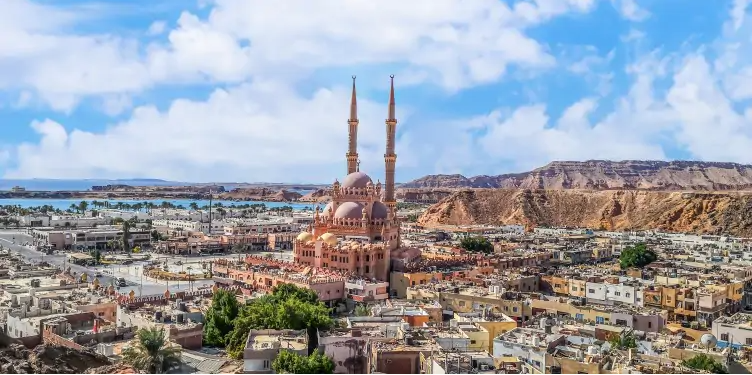
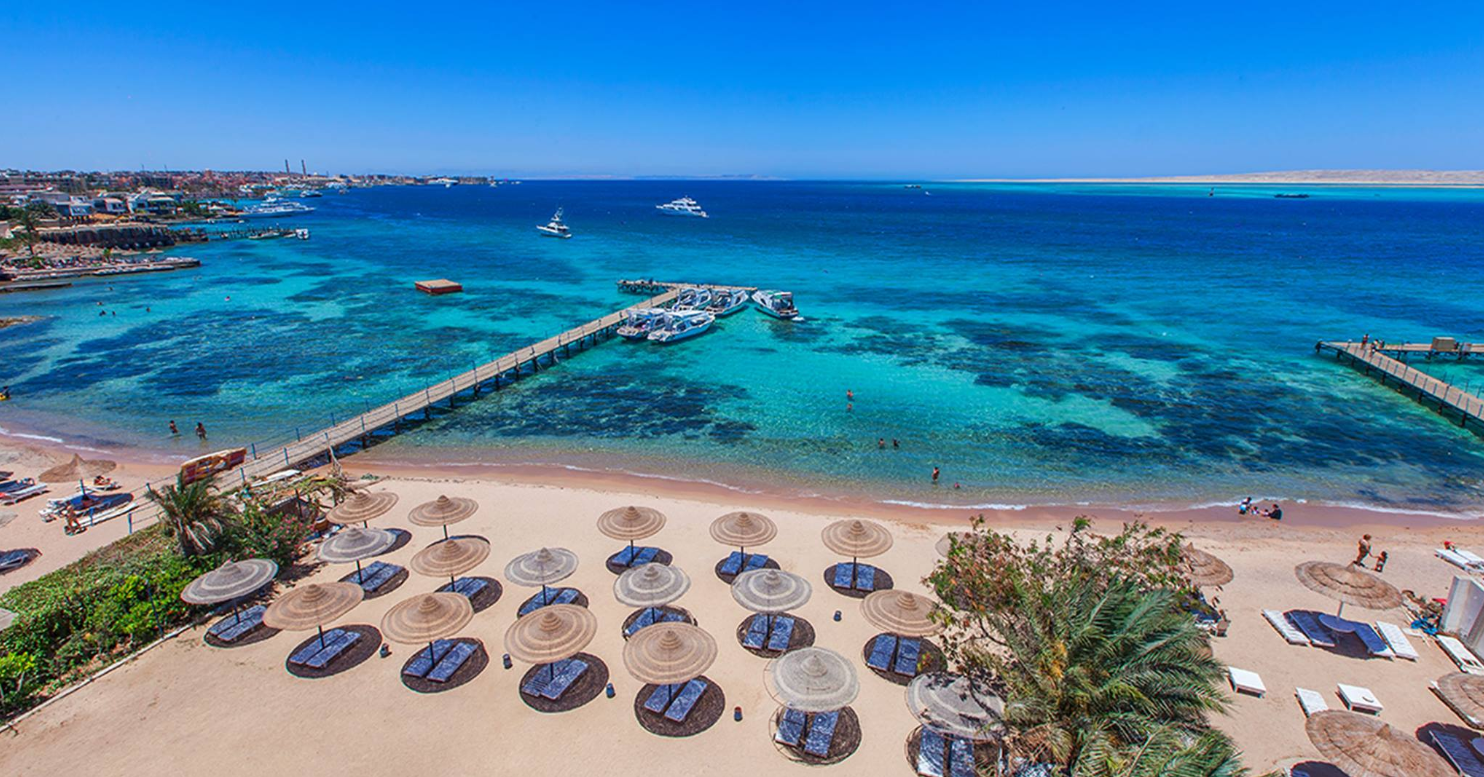
For anyone who has visited Hurghada, it quickly becomes clear that it differs significantly from a typical Egyptian urban environment. The city has developed into a highly international coastal hub, where a large proportion of residents are foreigners. Similar patterns can be observed in Sharm El Sheikh, both of which function as tourism-driven economies with strong expatriate presence. In contrast, Cairo and Alexandria offer a more traditional metropolitan experience, where foreigners are typically employed in multinational companies, diplomatic missions, education, or specialized industries. Further south, Luxor and Aswan attract a smaller but steady number of expatriates, often connected to tourism, archaeology, or cultural projects.
Across all these locations, foreign residents include retirees, remote workers, entrepreneurs, and individuals who have settled with Egyptian partners and families. In recent years, the rise of remote work has significantly increased the number of people choosing Egypt as a long-term base while maintaining income from abroad.
Cost of Living and Financial Reality
Egypt is frequently described as a low-cost destination, though the reality is more nuanced. Compared to most European cities, housing and daily expenses can be more affordable. However, prices have steadily increased over the past decade, particularly in major urban and coastal areas. As a result, Egypt is most financially attractive to foreigners with stable foreign income or savings rather than those seeking local employment.
Employment regulations can make legal work for foreigners complex, requiring permits and sponsorship. For families, education is often a key consideration. Private schools offering British, American, German, or French curricula are widely available in cities like Cairo, Alexandria, and Hurghada, though tuition fees can be significant. Most institutions operate bilingually or trilingually, with English and Arabic as the core languages.
Housing and Lifestyle Choices
Foreign residents generally choose between renting or purchasing property, depending on their long-term plans. Options range from centrally located apartments in urban areas to high-end gated communities (“compounds”) offering amenities such as private pools, security, and access to beaches.
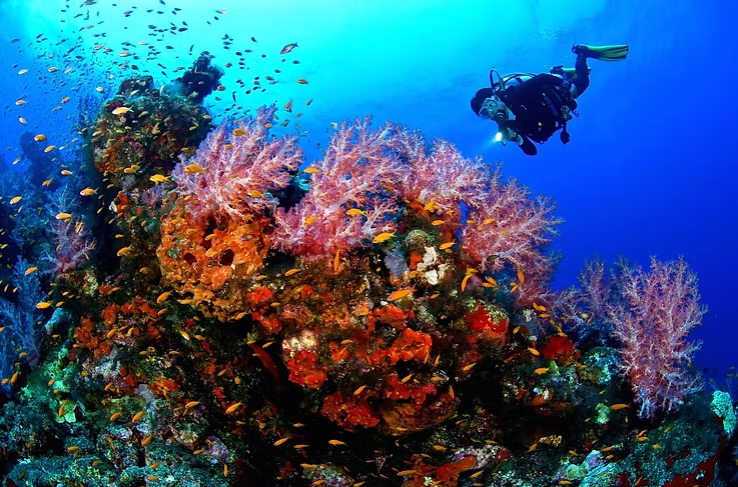
Lifestyle differences between cities are notable. Coastal cities like Hurghada and Sharm El Sheikh offer a relaxed, resort-style environment, while Cairo presents a fast-paced, dense metropolitan lifestyle. Alexandria combines Mediterranean culture with urban living, and Upper Egypt cities such as Luxor and Aswan offer a slower, more traditional pace of life.
Food, Transport, and Daily Living
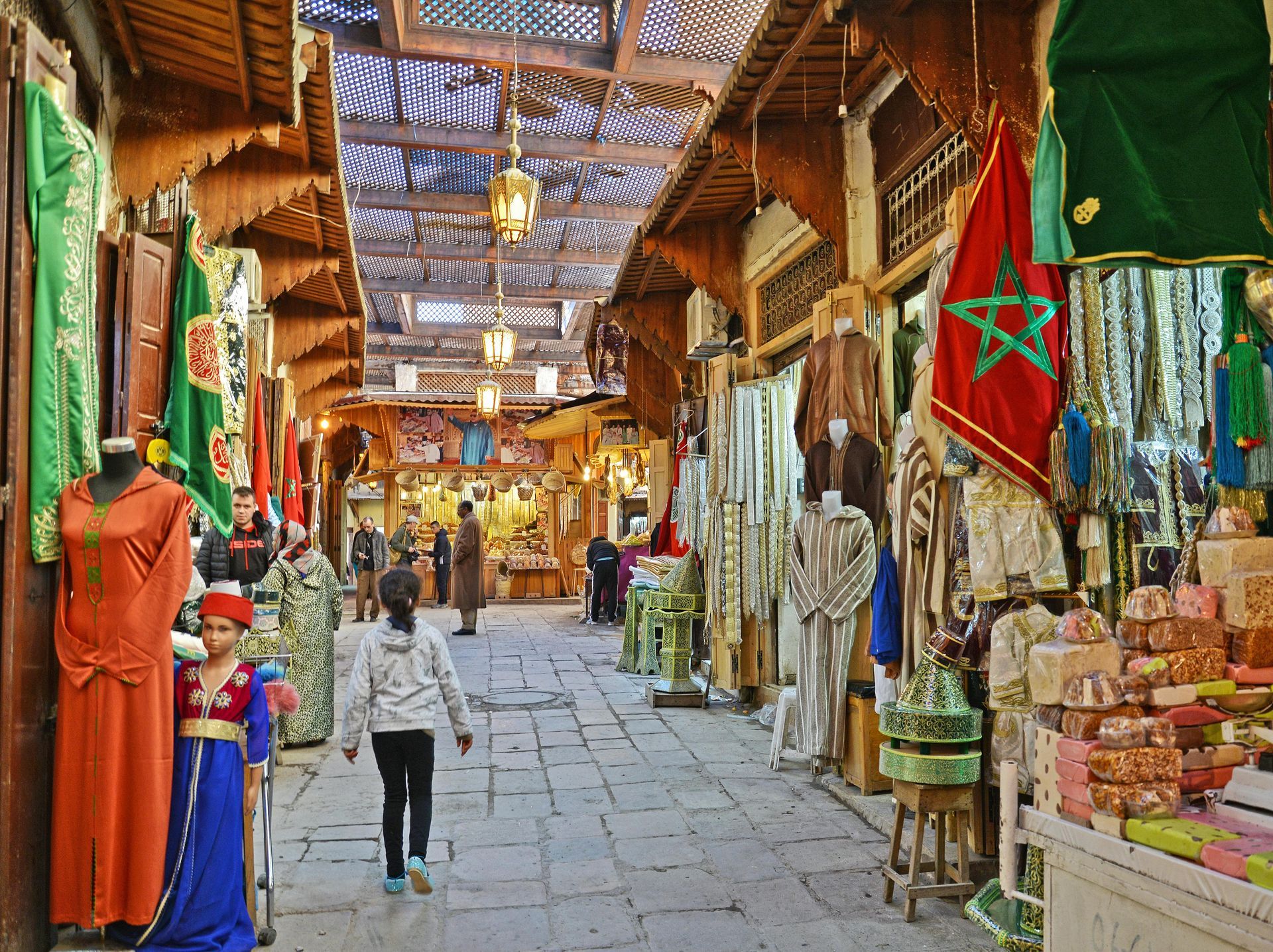
Daily living in Egypt is generally convenient and adaptable. Fresh produce, fruits, and vegetables are widely available and affordable in local markets and supermarkets. Cooking at home is cost-effective, while dining out varies significantly in price. Local restaurants offer budget-friendly meals, but international cuisine and delivery services in tourist and upscale areas can be comparatively expensive.
Transport options include private cars, ride-hailing services, and taxis. Fuel prices are relatively low by international standards, although driving conditions require adaptation due to different traffic norms and road behavior.
Banking and Practical Administration
Opening a bank account as a foreigner is possible but typically requires a valid residence visa or work permit. Procedures differ between banks, and documentation requirements may vary. Many expatriates continue to use international banking solutions alongside local accounts. Credit and debit cards are widely accepted in major supermarkets, hotels, and larger retailers, while smaller shops and local businesses generally operate on a cash basis.
ATM withdrawals using foreign cards are available, though fees depend on the issuing bank and can range significantly.
Cultural Adaptation and Long-Term Living
Egypt offers a welcoming and socially open environment, particularly in major cities and tourist regions. Egyptians are generally hospitable, but cultural and religious norms play an important role in daily life. Adaptation is essential, especially outside international or tourist-oriented areas, where lifestyle and expectations may differ more significantly.
Ultimately, living in Egypt presents both opportunities and challenges. It offers affordability, climate advantages, and a rich cultural environment, but also requires flexibility, patience, and an openness to different administrative and social systems.
For many foreigners, Egypt becomes either a long-term residence or a recurring seasonal base. For others, it remains an enriching life experience. The decision depends less on the destination itself and more on individual expectations, adaptability, and lifestyle priorities.