Egyptians and Animal Care
Talking about animals in Egypt is a sensitive and complex subject. It requires both honesty about the challenges that remain and recognition of the meaningful progress already made in protecting animal welfare. Egypt’s relationship with animals is not new—it is deeply rooted in history, culture, and belief systems that date back thousands of years.
A Legacy from Ancient Egypt
Animals have always held a special place in Egyptian civilization. The walls of temples and tombs across sites like Luxor Temple and Valley of the Kings
depict a wide range of animals—falcons, crocodiles, cows, horses, cats, and dogs—highlighting their importance in daily life and spirituality. Many deities were represented with animal features, reflecting symbolic meanings and divine associations.
Cats, in particular, became one of the most iconic animals of ancient Egypt. Closely associated with the goddess Bastet, they symbolized protection, fertility, and domestic harmony. While Egyptians did not worship cats themselves, they believed cats carried divine energy. At certain points in history, harming a cat—even accidentally—was considered a serious crime. Amulets shaped like cats were commonly worn for protection and good fortune, especially by women.
Dogs also played an important role. The jackal-headed god Anubis symbolized protection in the afterlife. Archaeological discoveries, including animal mummies found in tombs, demonstrate the close bond between humans and animals in ancient Egyptian society.
Cultural Shifts Over Time
As Egypt evolved through centuries of cultural and societal change, so did its relationship with animals. Urbanization, population growth, and shifting interpretations of religious teachings contributed to a gradual distancing between people and animals—particularly dogs. In some communities, dogs came to be viewed as unclean, leading to their exclusion from homes and increased numbers of stray animals on the streets.
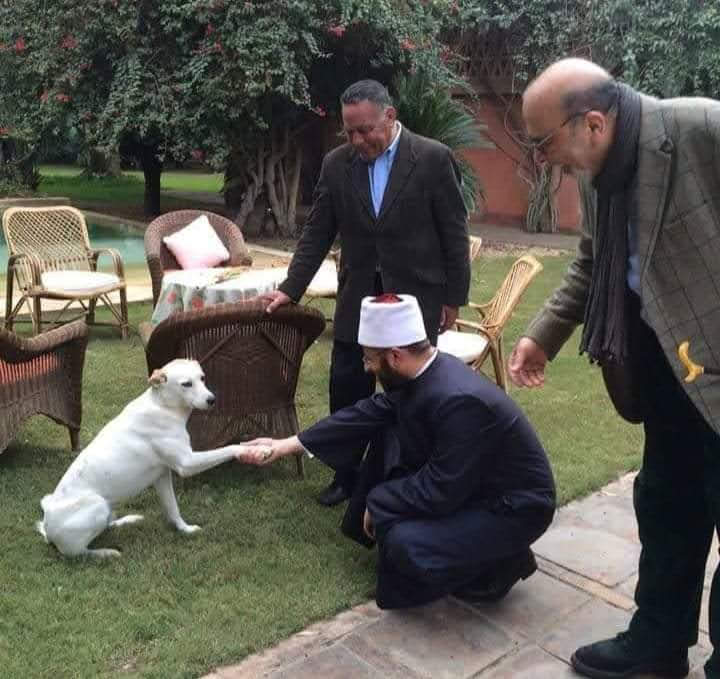
Despite this, Islamic teachings also include strong messages of compassion toward animals. Stories from the life of Prophet Muhammad emphasize kindness and care for all living beings. In recent years, respected scholars such as Ali Gomaa and Shawki Allam
have reaffirmed that keeping dogs is permissible and that contact with them does not invalidate prayer—helping to reshape public perception.
Current Challenges
Today, Egypt faces a significant challenge with stray animals. Many cats and dogs live on the streets, often without consistent access to food, shelter, or medical care. Overpopulation remains a major issue, partly due to limited awareness and ongoing resistance in some communities toward neutering and spaying.
Animal welfare education is still developing, and there is a need for broader understanding of humane treatment, responsible pet ownership, and coexistence between humans and animals.
Signs of Progress
Over the past two decades, there has been visible and encouraging progress. A growing number of non-profit organizations and volunteer groups are working across cities such as Cairo, Alexandria, Luxor, and Hurghada to provide rescue, shelter, medical care, and advocacy for animals.
These organizations are also helping to raise awareness and push for stronger legal protection. Legislative efforts are underway to introduce stricter penalties for animal abuse, including potential imprisonment for offenders, as well as clearer guidelines for the treatment of working animals and pets.
Adoption and Global Support
Adoption is increasingly promoted as a sustainable and humane solution. Both Egyptians and expatriates are encouraging the adoption of local “baladi” cats and dogs rather than supporting breeding and commercial sales. In many cases, rescued animals are adopted not only locally but also internationally, finding homes in countries such as Germany, the United Kingdom, Canada, and the United States after completing necessary medical and administrative procedures.
Animal shelters, however, remain under pressure. They are often overcrowded and rely heavily on donations and volunteer support to continue their work.
Looking Ahead
Improving animal welfare in Egypt is a long-term effort that requires cooperation between communities, organizations, and authorities. While challenges persist, the direction is promising. With continued education, stronger legal frameworks, and growing public awareness, Egypt is gradually moving toward a more compassionate and responsible approach to animal care.
The journey is far from complete—but the progress made so far offers reason for optimism.