Weather in Egypt
Weather in Egypt: A Year-Round Sun Destination with Seasonal Nuance
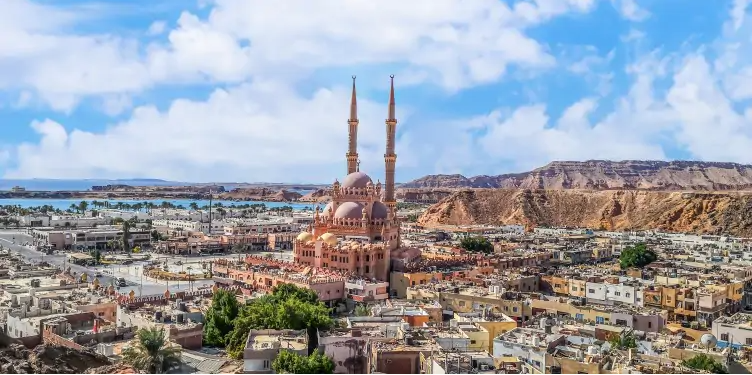
Egypt’s climate is defined by its geography—positioned in North Africa and dominated by arid desert conditions. Along the Mediterranean coast and across the Nile Delta, the weather shifts to a milder, Mediterranean pattern, while the elevated Sinai Mountains can see notably cooler temperatures during winter months.
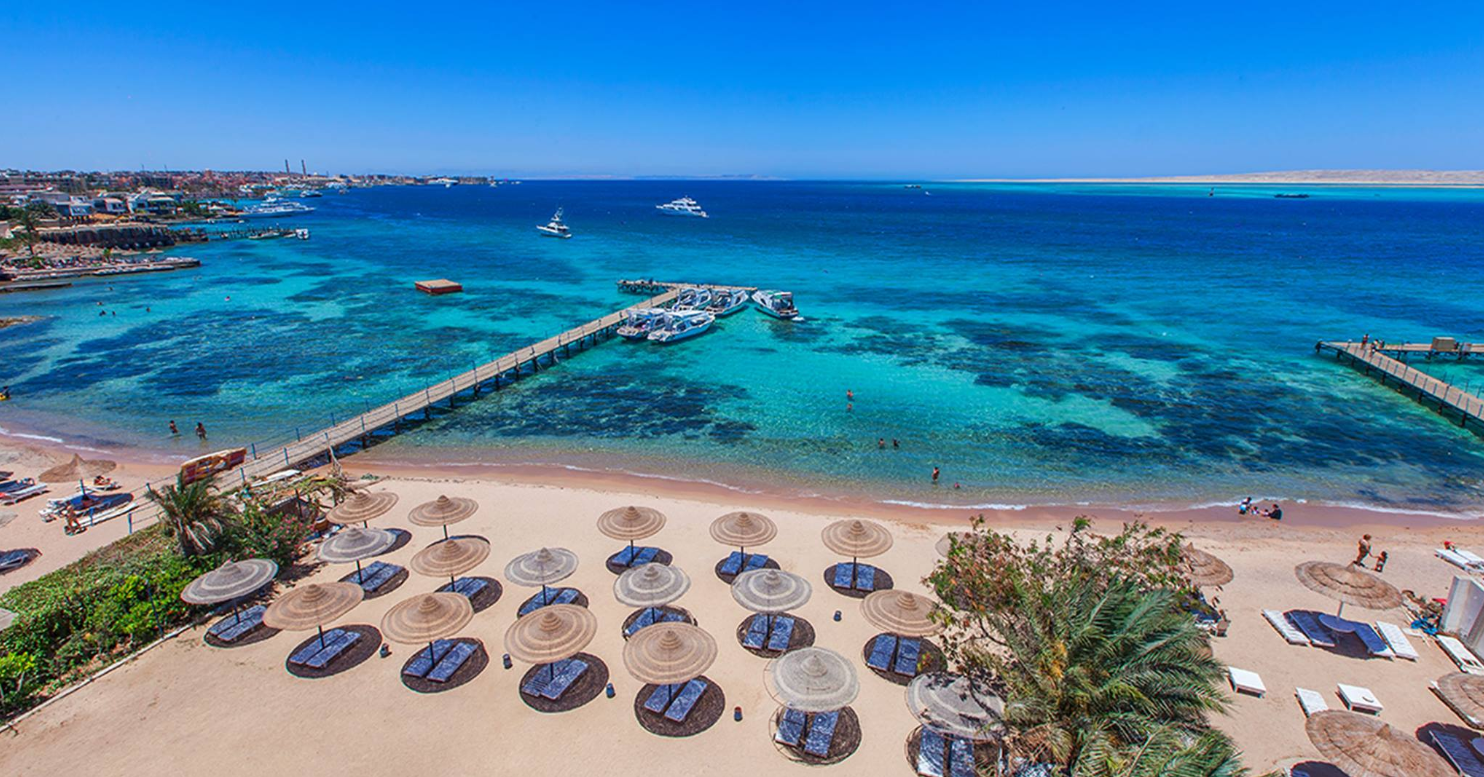
For most travelers, however, Egypt means sun. Red Sea destinations such as Hurghada, Marsa Alam, and Sharm El Sheikh rank among the warmest year-round locations, offering consistently dry conditions and minimal rainfall. While wind can occasionally be a factor, extended periods of cold or wet weather are rare—one of the country’s strongest tourism advantages.
Winter: Mild Days, Cooler Nights
January marks the coolest period of the year. Daytime temperatures in coastal resort areas typically range between 20–23°C, making it comfortable for outdoor activities. Midday sun provides warmth for beachgoers, but mornings and evenings can feel brisk, often requiring a light jacket. Wind is more noticeable, and sea temperatures may deter more sensitive swimmers.
From February through April, conditions improve steadily. Temperatures rise to a pleasant 23–28°C, creating ideal circumstances for both relaxation and exploration. However, this period can bring occasional strong winds, particularly during the “Khamsin”—a seasonal phenomenon known for dry, sand-laden gusts that may develop over roughly 50 days.
Spring: The Optimal Balance
May stands out as one of the most favorable months. With daytime temperatures ranging from 30–35°C, the climate strikes a balance between warmth and comfort. It’s especially suitable for families and travelers seeking to combine sightseeing with coastal leisure, as sea temperatures also become inviting.
Summer: Peak Heat, Peak Sun
Between June and September, Egypt enters its hottest phase. Average temperatures range from 35–40°C, climbing even higher in southern regions. These months cater to travelers seeking guaranteed sunshine, particularly within all-inclusive resort settings. Proper precautions—hydration, sun protection, and shaded rest—are essential during this period.
Autumn: Prime Travel Season
October is widely regarded as one of the best months to visit. The intense summer heat subsides, yet the sea remains warm and welcoming. This is an ideal time for broader travel experiences, including cultural visits to Cairo and
Luxor, Nile cruises, desert excursions, and snorkeling in the Red Sea.
Late Autumn to Early Winter: Gradual Cooling
November offers stable, moderate conditions, with temperatures easing back to around 25°C. By late November and into December, cooler patterns emerge. While still mild compared to many regions, evenings become noticeably cooler, particularly for travelers seeking consistent warmth during the holiday season.
Executive Takeaway
Egypt’s climate is a strategic asset for its tourism sector—delivering near year-round sunshine with predictable seasonal variations. Peak comfort windows fall in spring and autumn, while summer appeals to heat-tolerant travelers and winter offers mild, quieter conditions. For both leisure and cultural tourism, Egypt remains a resilient, weather-reliable destination.
suggest 3 fotos
Here are three strong, publication-ready photo ideas that match the tone of the article and appeal to a CEO-level audience:
- Red Sea Resort Aerial (Hurghada or Sharm El Sheikh)
A high-quality aerial shot showing turquoise water, resort infrastructure, and beach activity. This visually reinforces Egypt as a premium, year-round sun destination and highlights tourism investment and scale. - Nile with Luxor Temples at Sunset
A warm, golden-hour image of the Nile River with temples or historical landmarks in the background. This balances the “sun destination” narrative with Egypt’s cultural depth and positions it as more than just a beach market. - Desert Landscape with Khamsin Atmosphere
A dramatic shot of sand dunes with visible wind movement or a light sandstorm effect. This adds contrast, illustrating the unique climate dynamics mentioned in the article and giving the piece visual storytelling depth.